Suggested Featured Image
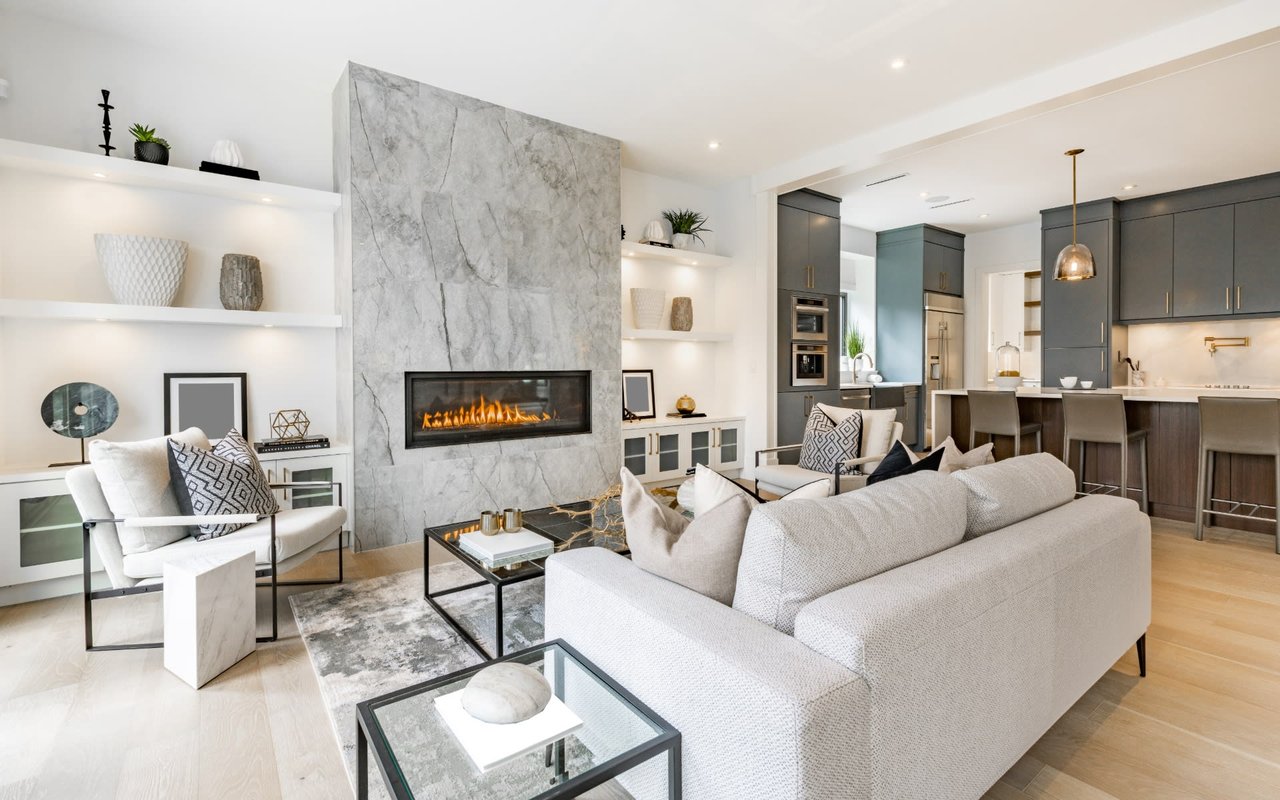
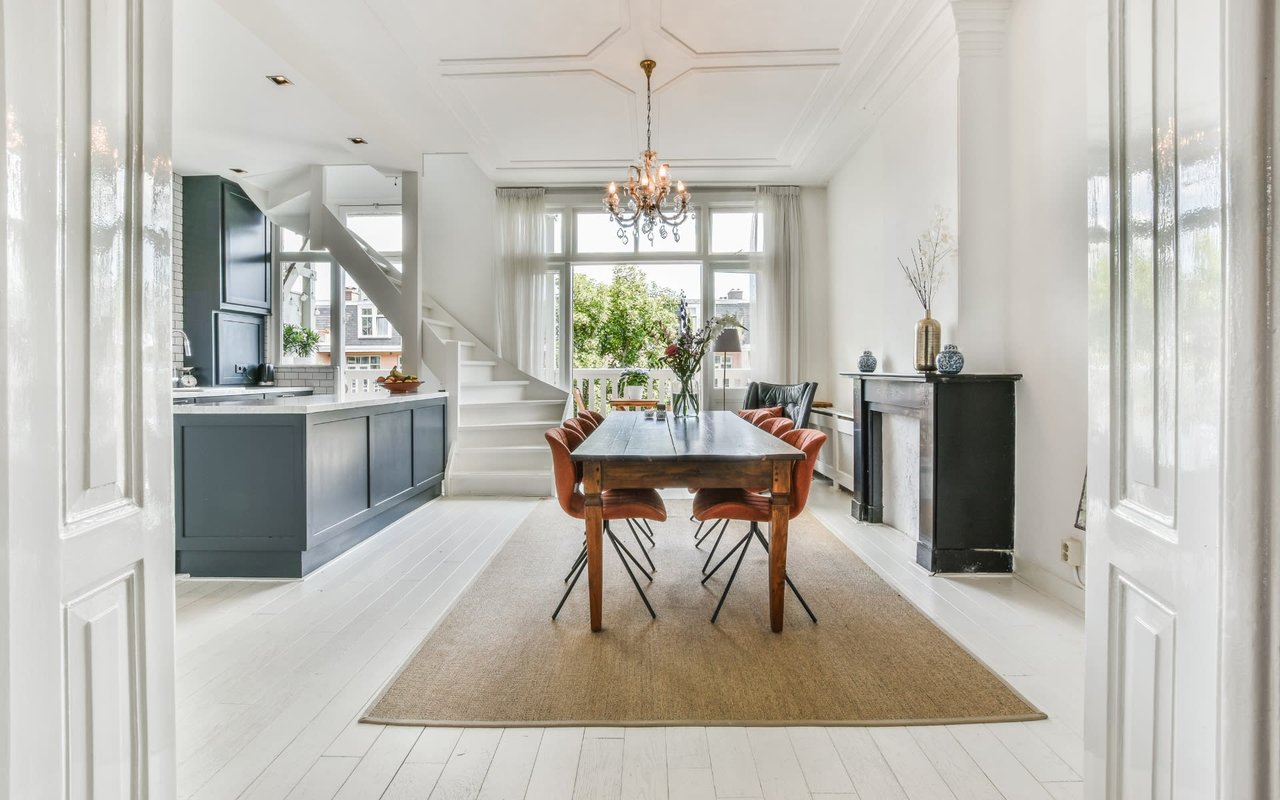
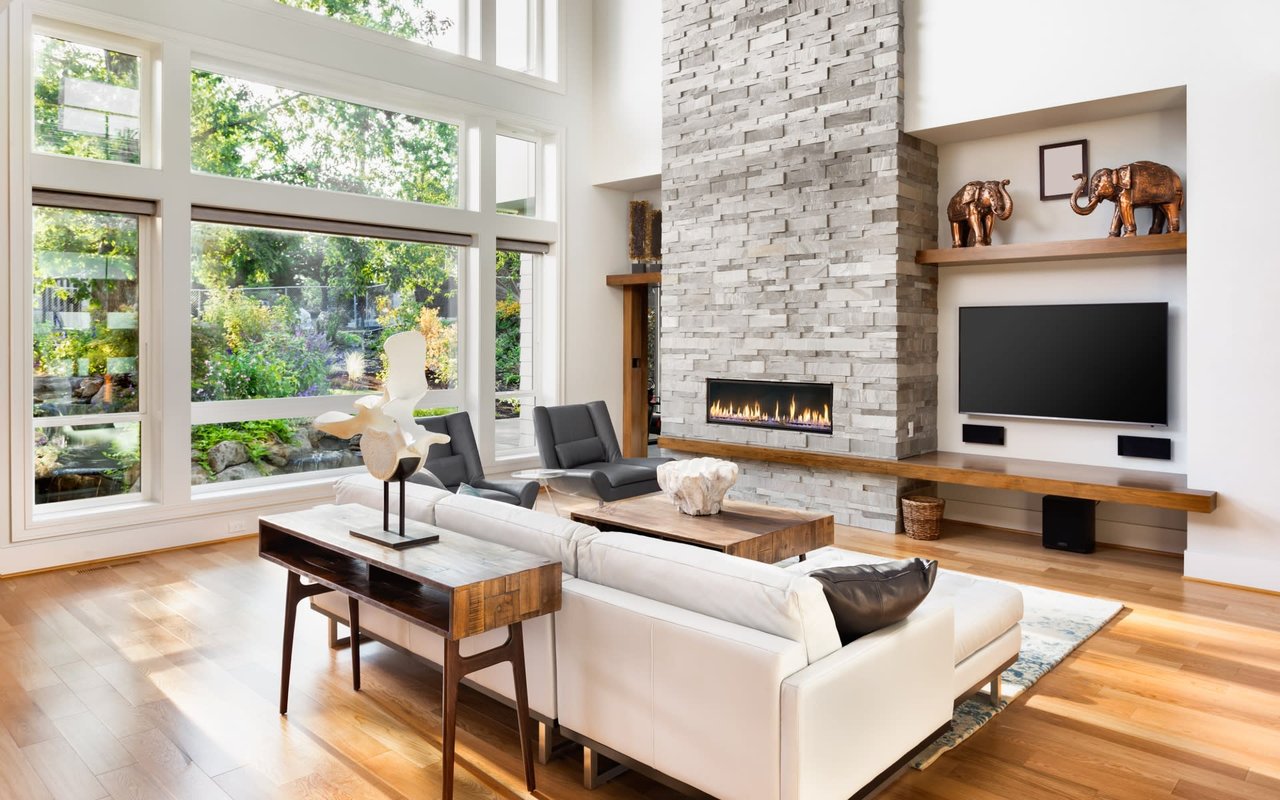
A welcoming, well-maintained Philadelphia-area home with a tasteful 'For Sale' sign and warm evening light. Avoid generic stock imagery when possible.
Suggested Image Alt Text
Well-maintained home prepared for sale in the Greater Philadelphia area.
Publishable Article Copy
Introduction
Imagine two nearly identical homes on the same street. One receives multiple offers within days while the other lingers on the market. Often, the biggest difference isn't the house—it's how buyers respond to the price. Pricing is part mathematics and part psychology, and understanding both creates the strongest negotiating position.
Buyers Compare, They Don't Appraise
Buyers build their sense of value by comparing homes they've toured, not by calculating precise market values. Every showing is measured against every competing listing.
The Emotional Side of Pricing
Homeowners naturally attach memories and personal value to their property. Buyers, however, evaluate today's condition, today's competition, and today's financing environment.
Momentum Matters
A new listing receives the greatest attention it will ever have. Correct pricing creates activity, activity creates competition, and competition creates leverage.
The Cost of Overpricing
Repeated price reductions often change buyer perception from excitement to suspicion. Strong pricing at launch frequently produces better long-term results than starting high and chasing the market downward.
Beyond Automated Estimates
Online estimates are useful reference points but cannot measure condition, architecture, craftsmanship, layout, or buyer emotion.
Lee's Perspective
One of the hardest conversations I have with sellers is about pricing—not because the numbers are difficult, but because every home carries years of memories. My responsibility is to help sellers understand how today's buyers are likely to respond so they can make informed decisions, not emotional ones.
Conclusion
The goal isn't simply to achieve the highest asking price. It's to create the market conditions that allow buyers to compete for your home. Those are two very different objectives—and understanding that distinction often makes all the difference.
Frequently Asked Questions
Should I leave room to negotiate?
Often, creating competition through accurate pricing is more effective than starting high.
Do Zillow estimates determine value?
No. They are automated estimates and cannot account for many property-specific factors.
When should I reduce my price?
After evaluating showing activity, buyer feedback, competing inventory, and overall market response.
Internal Linking Opportunities
Preparing Your Home for Sale
Home Appraisals Explained
Multiple Offers: How Sellers Can Evaluate More Than Price
Why Deals Fall Apart
Call to Action
Every home—and every market—is different. If you're considering selling in Greater Philadelphia or South Jersey, I'd be happy to prepare a customized pricing strategy based on today's market conditions and your home's unique strengths.