Suggested Featured Image
A warm, inviting Philadelphia-area home with the front door open, abundant natural light, and tasteful landscaping. Authentic photography is preferred over generic stock images.
Suggested Alt Text
Bright, welcoming home prepared for sale in Greater Philadelphia.
Publishable Article Copy
Introduction
People imagine buying a home is a logical process, but emotions begin shaping decisions almost immediately. Within seconds of walking through the front door, buyers begin asking themselves a simple question: 'Does this place feel right?' That first impression influences everything that follows.
Buyers Purchase a Future
People are not buying drywall and lumber. They're imagining holidays, quiet mornings, family dinners, and the next chapter of their lives. Great homes help buyers picture that future.
Confirmation Bias
Once buyers develop an initial impression, they unconsciously look for evidence to support it. Positive first impressions make strengths stand out. Negative first impressions magnify imperfections.
The Power of Smell, Light, and Space
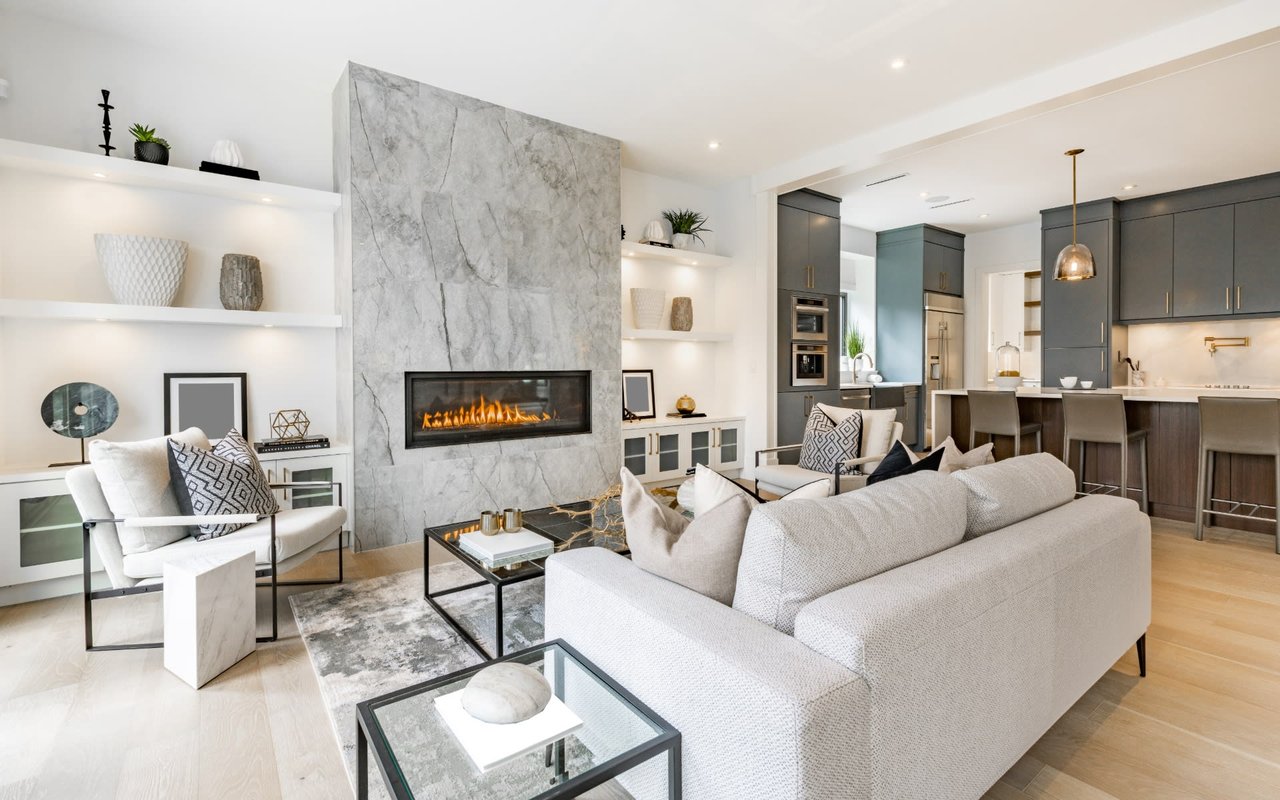
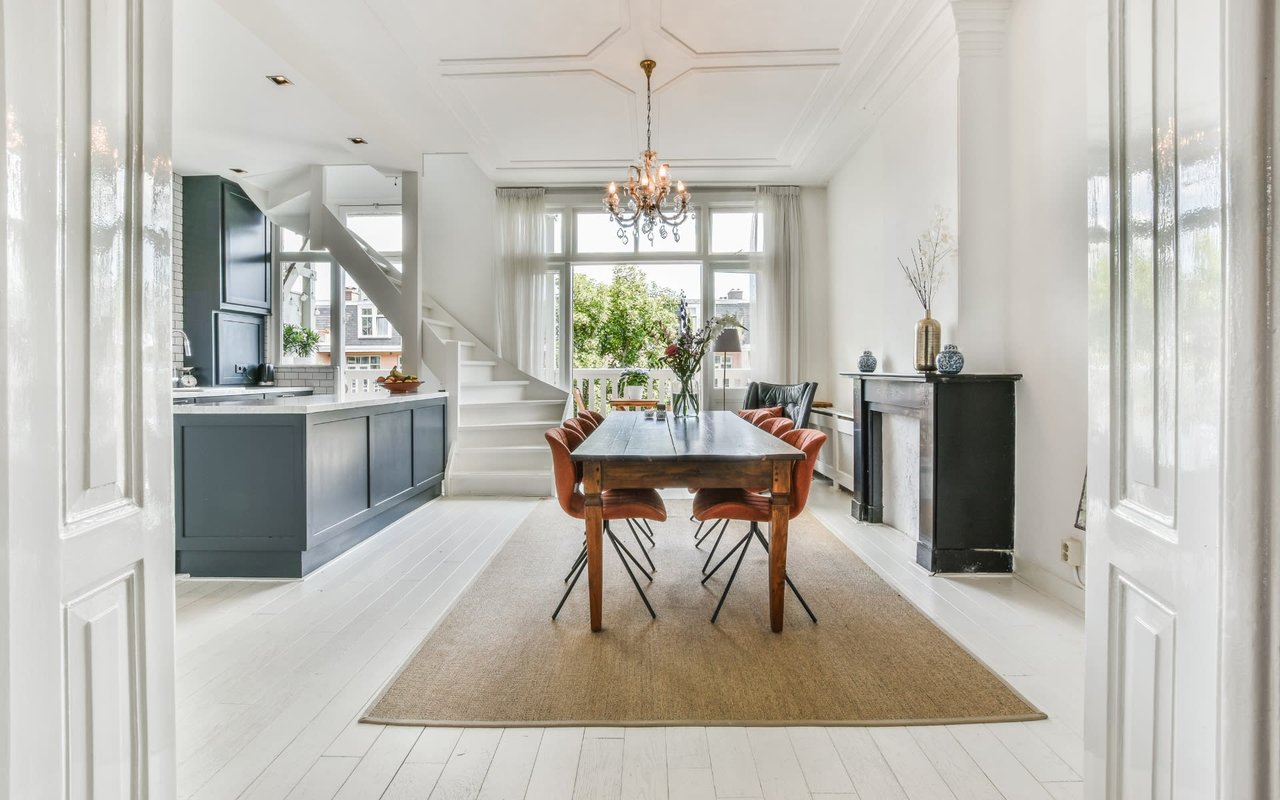
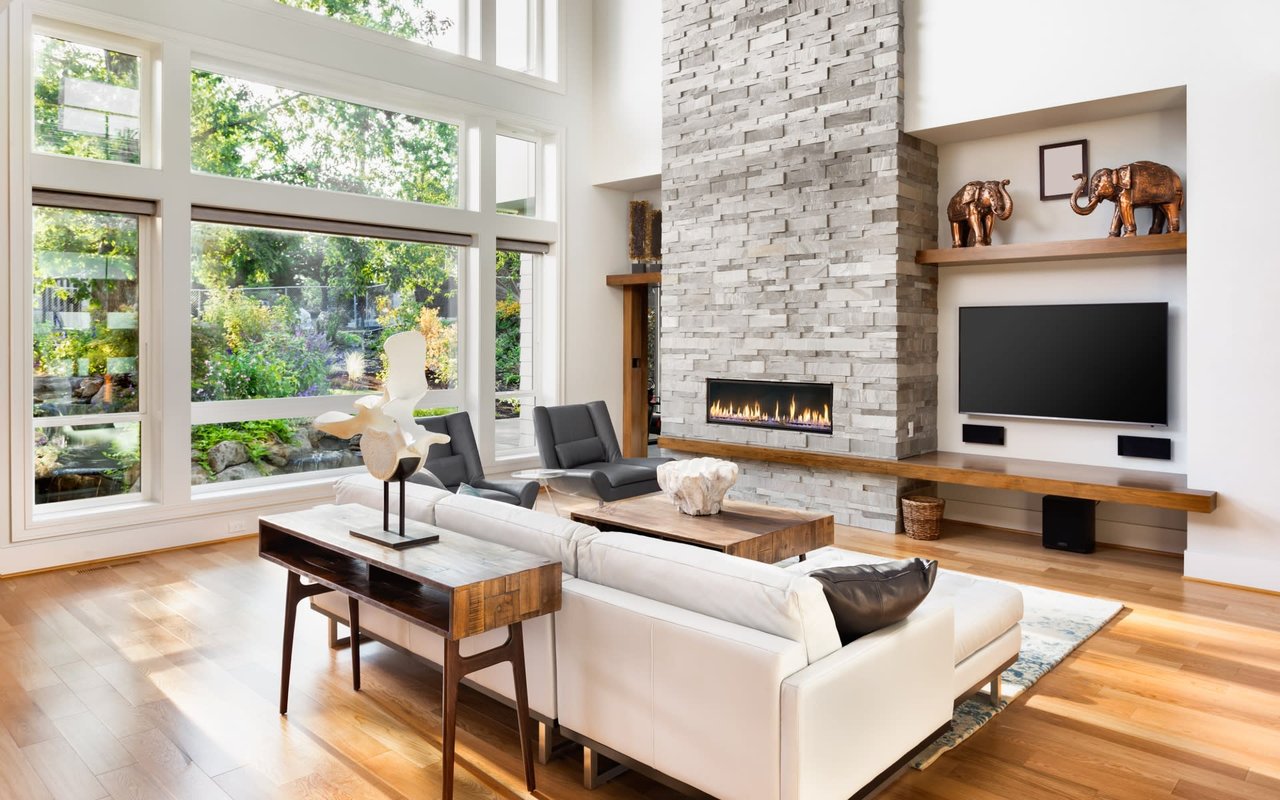
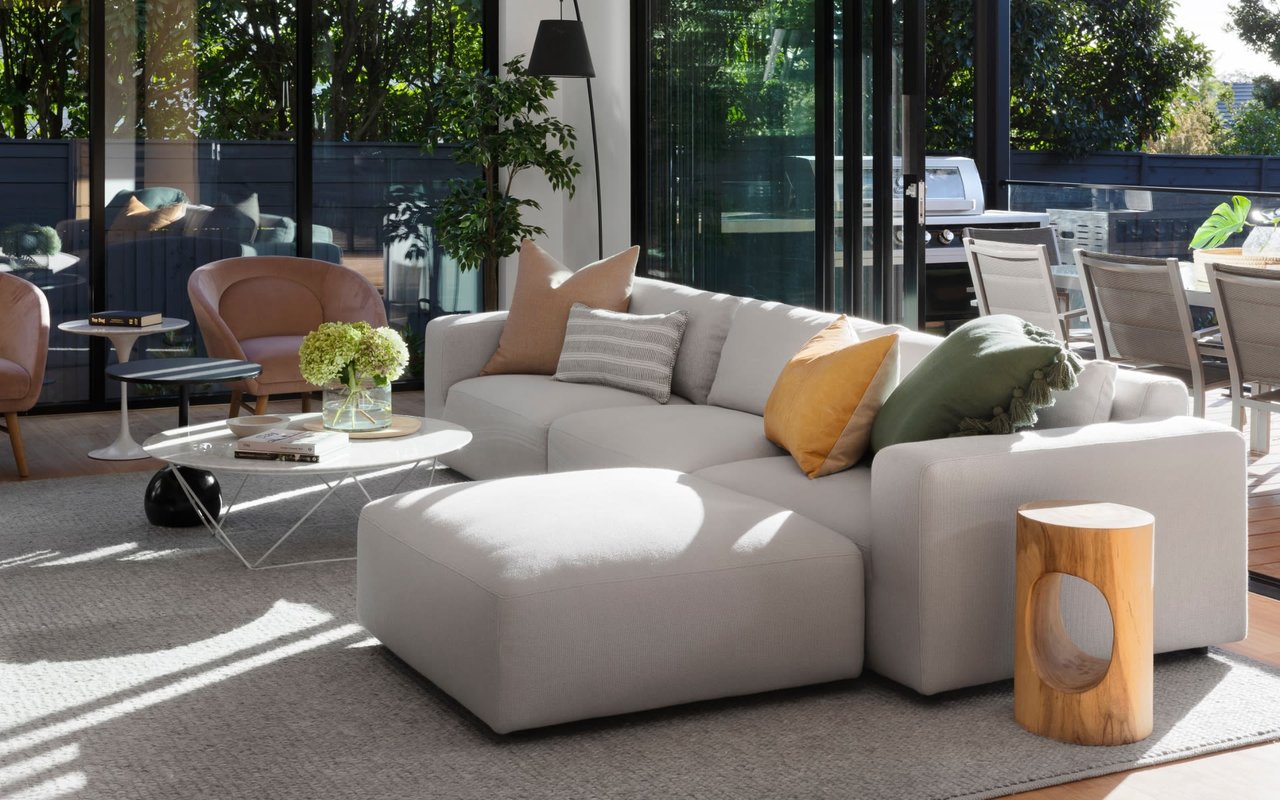
Odors, natural light, and visual clutter have an outsized influence on emotion. Decluttering, cleaning, and improving lighting make homes feel larger, calmer, and more inviting.
House Blindness
Homeowners naturally stop noticing small flaws over time. Fresh eyes can identify distractions that buyers will immediately see.
A Memorable Identity
The homes buyers remember aren't always the biggest or newest. They're the ones with character, warmth, or a feature that creates an emotional connection.
Lee's Perspective
After walking through hundreds of homes with buyers, I've learned that the conversation changes when they find the right one. They stop talking about square footage and start imagining holidays, family gatherings, and everyday life. That's the moment sellers should strive to create.
Conclusion
The goal isn't perfection. It's helping buyers feel comfortable enough to imagine themselves living there. Homes that create that emotional connection are often the ones buyers remember long after the showing ends.
Frequently Asked Questions
Can buyers really form an opinion that quickly?
Yes. While an offer takes time, first impressions influence how buyers interpret everything else they see.
Do I need professional staging?
Not always. Many homes benefit more from thoughtful editing, cleaning, and furniture placement than full staging.
Should I remove all personal items?
No. The goal is to reduce distractions while allowing buyers to imagine themselves in the home.
Why is curb appeal so important?
The emotional experience begins before buyers reach the front door.
Internal Linking Opportunities
Preparing Your Home for Sale
The Psychology of Pricing Your Home
Home Staging Tips
Why Deals Fall Apart
Open House Strategy
Call to Action
If you're thinking about selling in Greater Philadelphia or South Jersey, I'd be happy to walk through your home with you and identify the small changes that can make the biggest impact before your property goes on the market.